

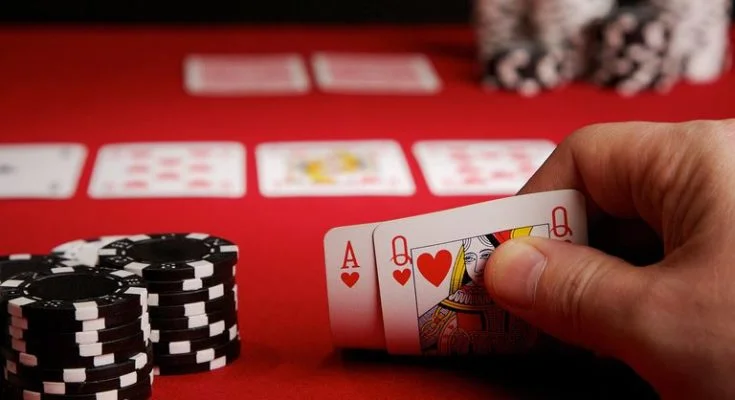
Introduction
Poker is not just a game of chance; it’s a strategic battle of wits where players constantly seek ways to gain an edge over their opponents. One such tool in a poker player’s arsenal is the isolation play. In this article, we will delve into the concept of the poker isolation tool, exploring when it should be employed and against which types of opponents.
What is the Poker Isolation Tool?
The poker isolation tool, often referred to simply as “isolation,” is a strategic maneuver used by skilled players to isolate a specific opponent at the table. Its primary goal is to narrow the field, increasing the odds of winning a pot against a single adversary rather than multiple opponents.
When to Use the Poker Isolation Tool
- Weak or Loose Players: Isolation plays work exceptionally well against weaker or looser players who tend to play too many hands. These opponents are more likely to call your bets, making it easier to isolate them and take advantage of their poor decision-making.
- Limpers: When you’re faced with opponents who consistently limp into pots (just calling the minimum bet to stay in the hand), isolation can be an effective strategy. By raising and isolating the limper, you discourage other players from entering the pot with marginal hands.
- Aggressive Players: Isolation can also be used against aggressive opponents who frequently make large bets and raises. By isolating them, you gain more control over the hand, potentially forcing them into making costly mistakes.
- Drawing Hands: If you have a strong drawing hand like suited connectors or a medium pocket pair, isolation can be used to control the pot size and improve your chances of hitting a winning hand on the flop.
How to Execute the Poker Isolation Play
- Choose the Right Position: Isolation plays are most effective when you have a late position at the table, such as the button or the cutoff. This allows you to act after most of your opponents, giving you more information to make an informed decision.
- Sizing Your Bets: When isolating an opponent, your bet sizing is crucial. Make a raise that is substantial enough to discourage other players from entering the pot but not so large that it forces your target to fold. Typically, a 3-4x the big blind raise is a good starting point.
- Observe Your Target: Pay attention to your opponent’s tendencies and playing style. If they tend to call frequently, be prepared to adjust your strategy accordingly. If they fold often, you might need to adjust your bet sizing.
- Post-flop Play: After the flop, continue to gauge your opponent’s actions. If they check, consider making a continuation bet to maintain control of the hand. If they bet, you can decide whether to call, raise, or fold based on the strength of your hand and your opponent’s tendencies.
Conclusion
The poker isolation tool is a powerful weapon in the arsenal of a skilled poker player. When used strategically, it can help you take control of pots, exploit weaker opponents, and increase your chances of winning. However, like any poker strategy, it requires careful consideration of your opponents and adaptability based on the situation. Mastering the art of isolation can be a game-changer in your poker journey, allowing you to navigate the complex landscape of the poker table with confidence and skill.